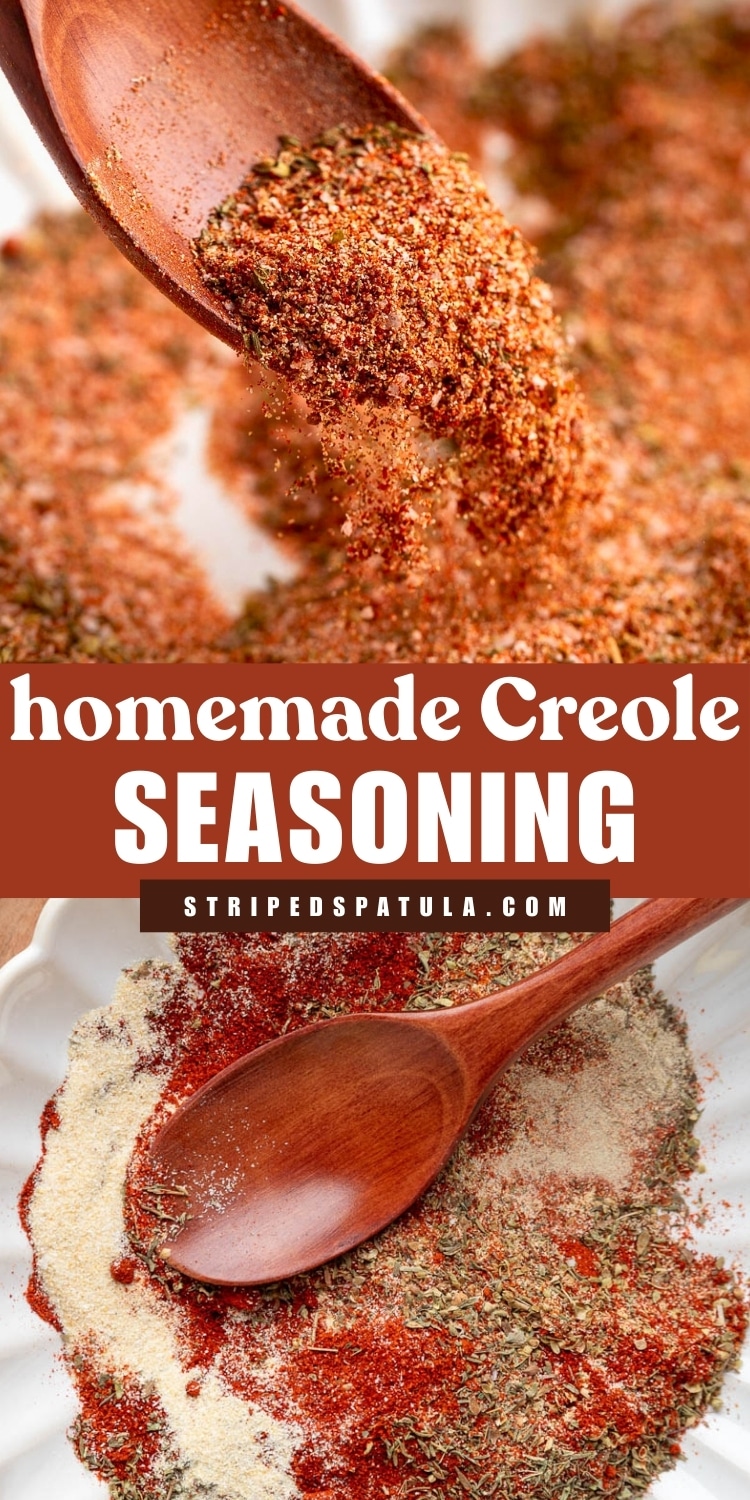
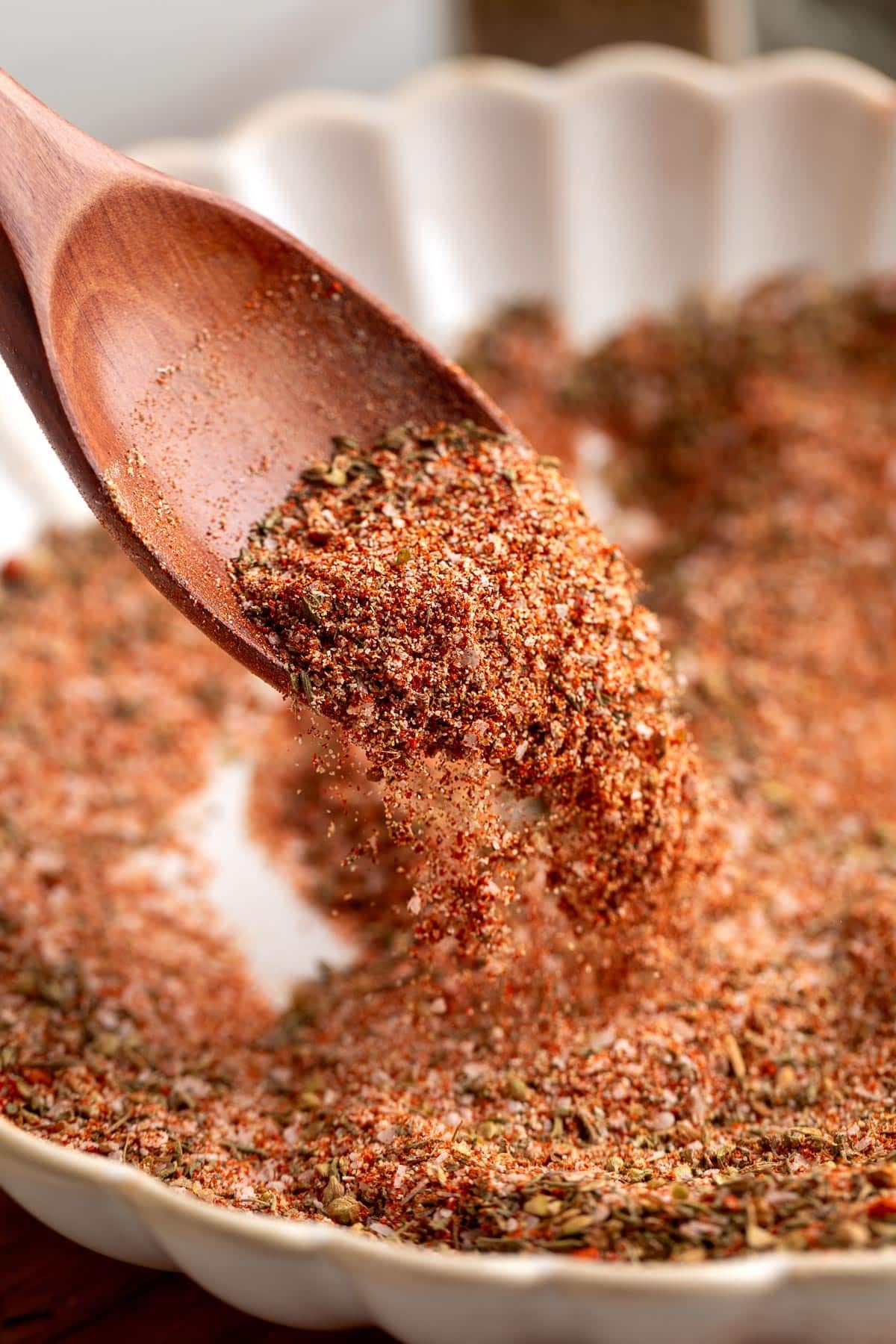
This homemade Creole seasoning is bold, customizable, and balanced—without the heavy saltiness of many store-bought blends. It’s an easy way to add classic Louisiana-style flavor to chicken, shrimp, vegetables, rice dishes, and soups.
Before You Start Cooking
- This is a Creole-style blend, not Cajun. Creole seasoning tends to be more rounded and herb-forward, while Cajun blends usually lean harder on heat.
- Start with fresh spices. Since this blend is made entirely from dried spices and herbs, their freshness makes a big difference. If the paprika smells dusty or the herbs have little aroma, the seasoning will taste flat. I like buying spices in small quantities from shops that grind frequently—Savory Spice Shop is one of my go-to sources.
- Lower sodium mix. As written, this blend has significantly less sodium per ¼-teaspoon serving compared to many popular store-bought seasonings. You still get plenty of flavor, but with more control in salting your dishes to taste.
How to Make Homemade Creole Seasoning
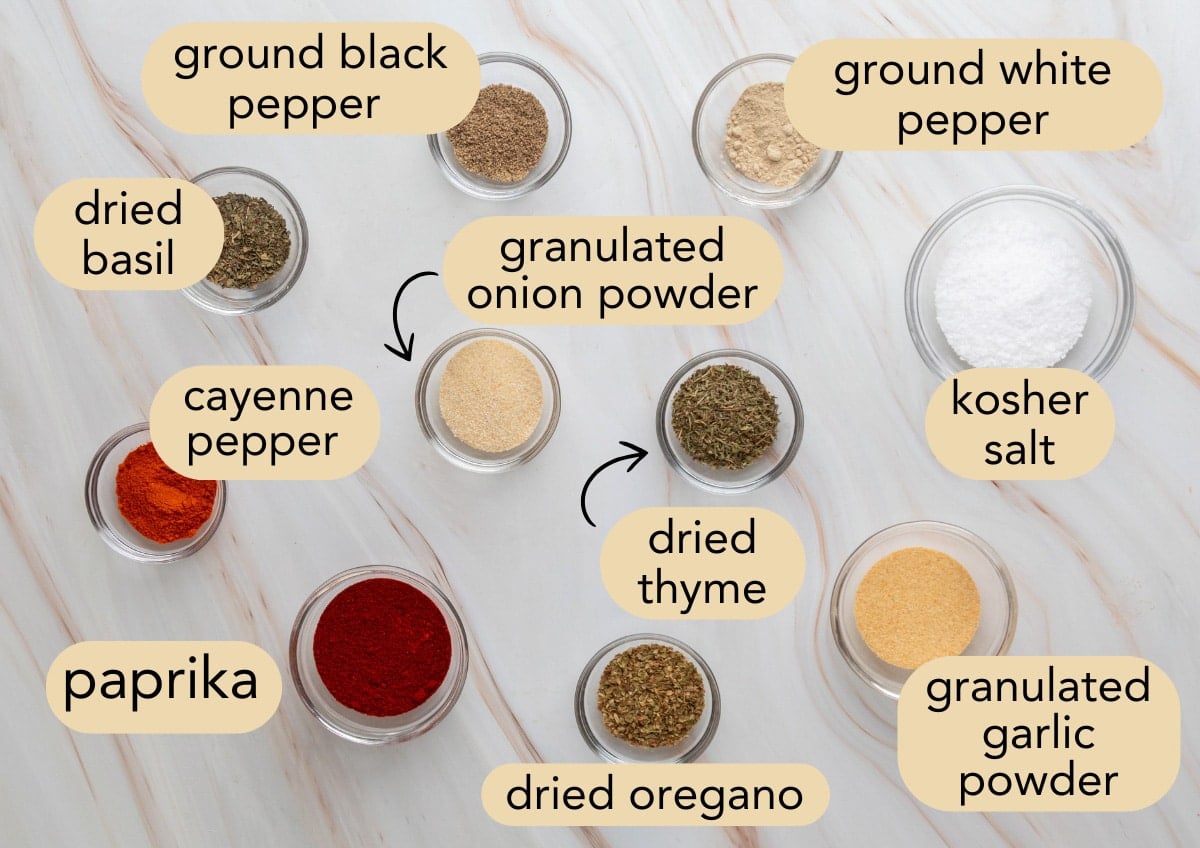
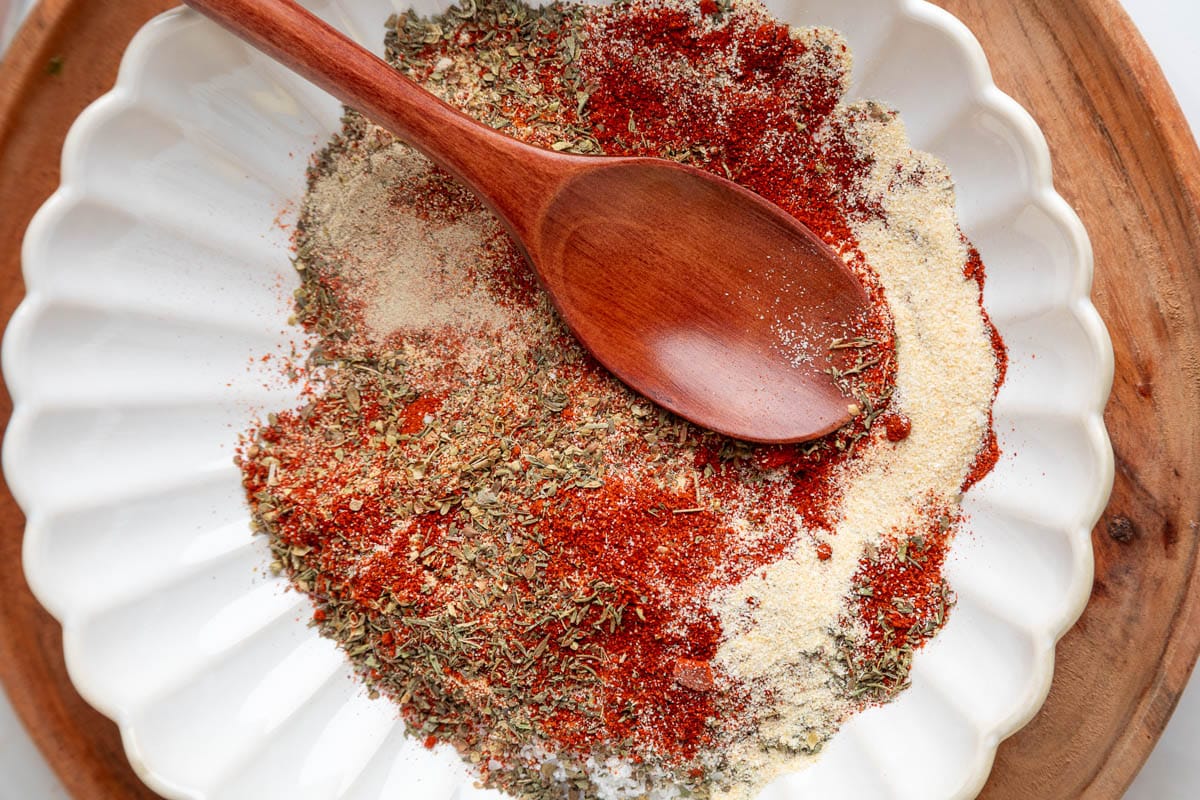
This recipe couldn’t be simpler. Stir all of the spices together in a bowl, gently crushing the dried herbs between your palms as you add them. This releases their oils and distributes their flavor more evenly throughout the blend.
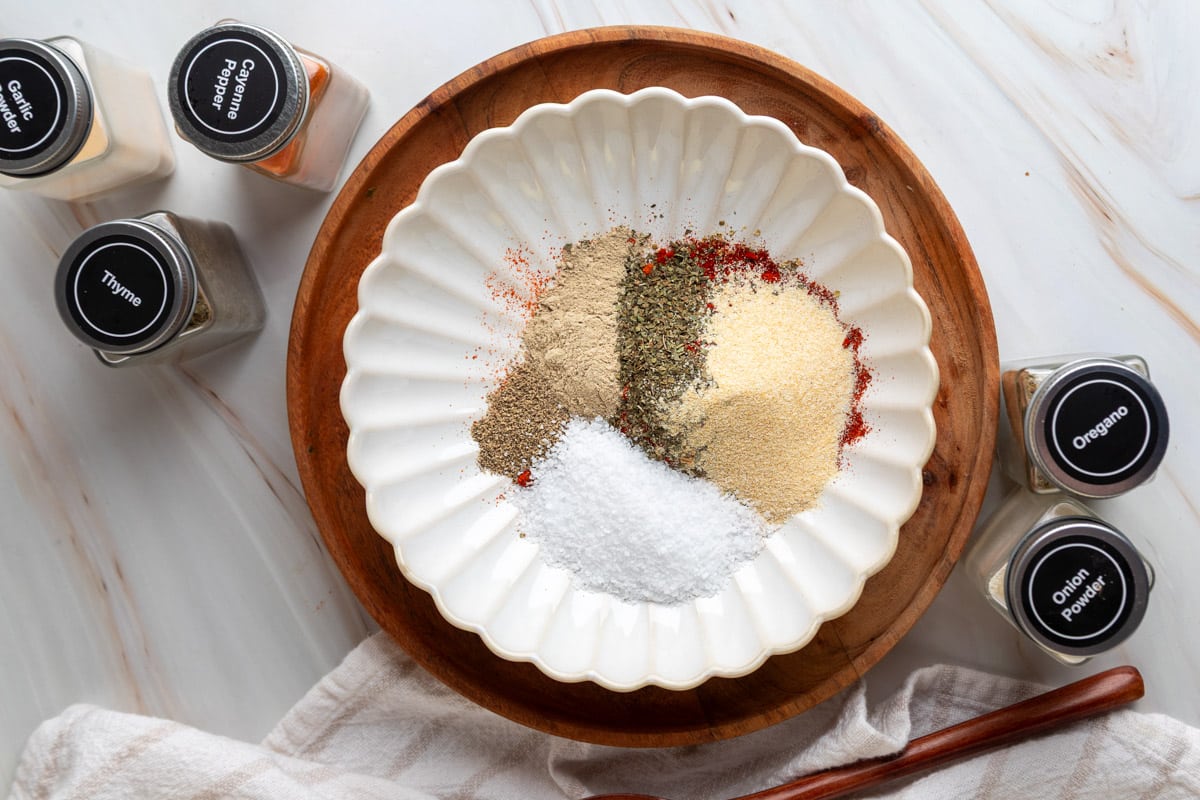
Here’s what each ingredient brings to the mix:
- Paprika (sweet and/or smoked): Forms the backbone of this seasoning, adding warmth and vibrant color without much heat. Use all sweet paprika for a traditional Creole flavor. For a subtle smoky depth, substitute smoked paprika for some of the total amount. Consider what you’ll be cooking—if smokiness isn’t typical in the dish, stick with sweet.
- Diamond Crystal Kosher Salt: While this blend is much lower in sodium than many store-bought Creole seasonings, you can reduce the salt quantity even further if needed. Taste as you go and remember: the less salt you use, the more prominent the pepper heat will feel.
- Garlic and Onion Powders: These add umami and aromatic depth to the blend. I prefer the flavor and texture of granulated versions to very fine powders for most spice mixes.
- Dried Oregano, Thyme, and Basil: Oregano brings a slightly peppery herbal note that’s classic in Creole-style seasonings. Thyme adds earthy complexity, and basil softens the sharper spices with a subtle sweetness.
- Ground Black Pepper: Adds a mild heat and a familiar bite. I like freshly-ground black pepper with a medium grind.
- White Pepper: Brings a different kind of warmth to the blend that’s earthy and more lingering than black pepper. If you’re not a fan, you can replace it entirely with additional black pepper.
- Ground Cayenne Pepper: This is where you can control the heat of your homemade Creole seasoning. Start at the lower end for a milder blend, or dial it up for a stronger kick.
Storage Tips
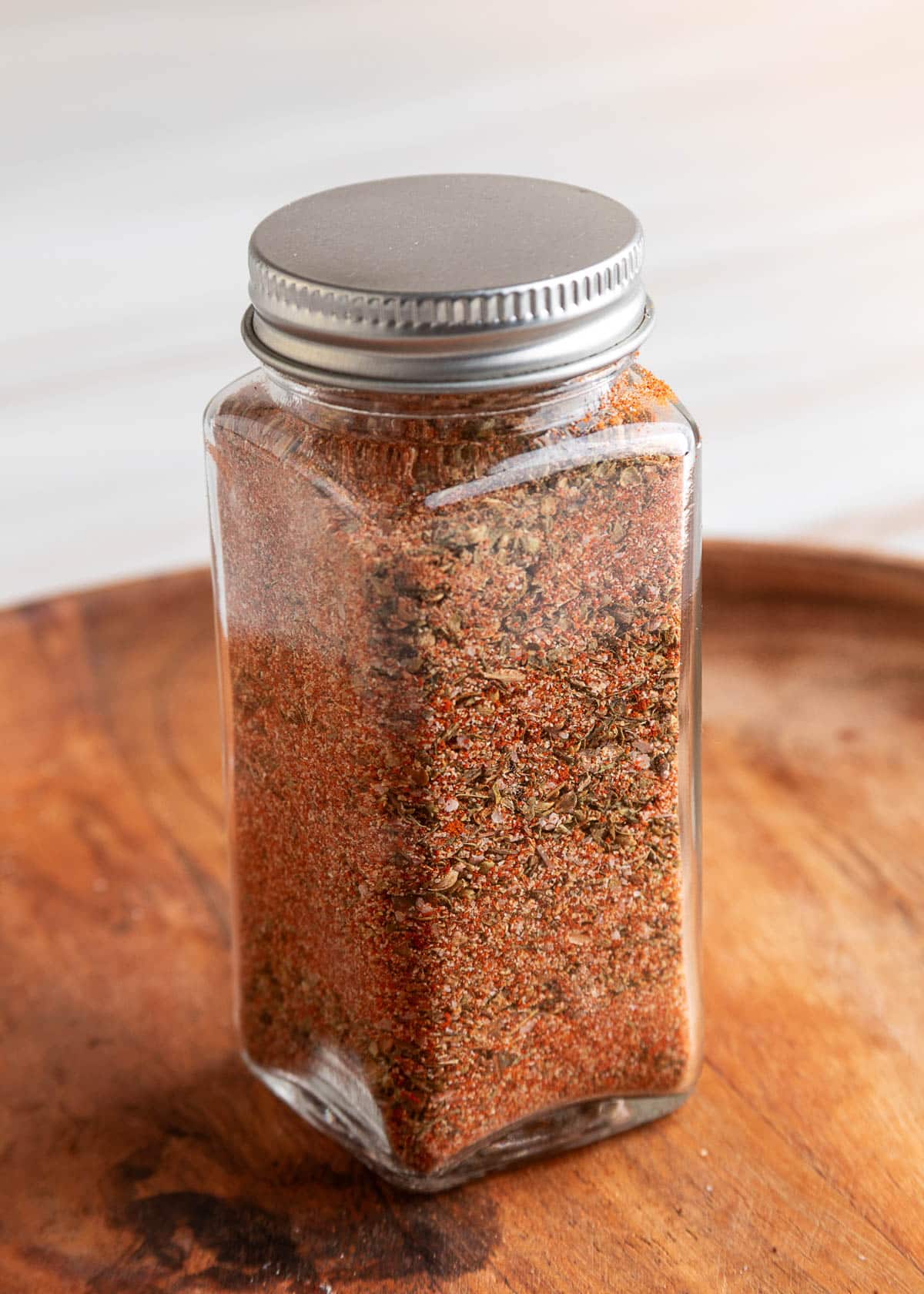
Once everything is blended, transfer the seasoning to an airtight container or a clean spice jar with a tight-fitting lid. Make sure any container you use is completely dry before filling.
Small glass jars work best since they help protect the spices from moisture and odors. I use these 4-ounce spice jars with labels {affiliate link} in my kitchen.
Store the blend in a cool, dark place—like a pantry or cabinet away from the stove. Heat, light, and humidity will cause the spices to lose their potency more quickly.
For the best flavor, use your homemade Creole seasoning within about 3 months. It won’t spoil after that, but the flavor will gradually fade. If the aroma isn’t bold when you open the jar, it’s time to mix up a fresh batch.
Ways to Use Homemade Creole Seasoning
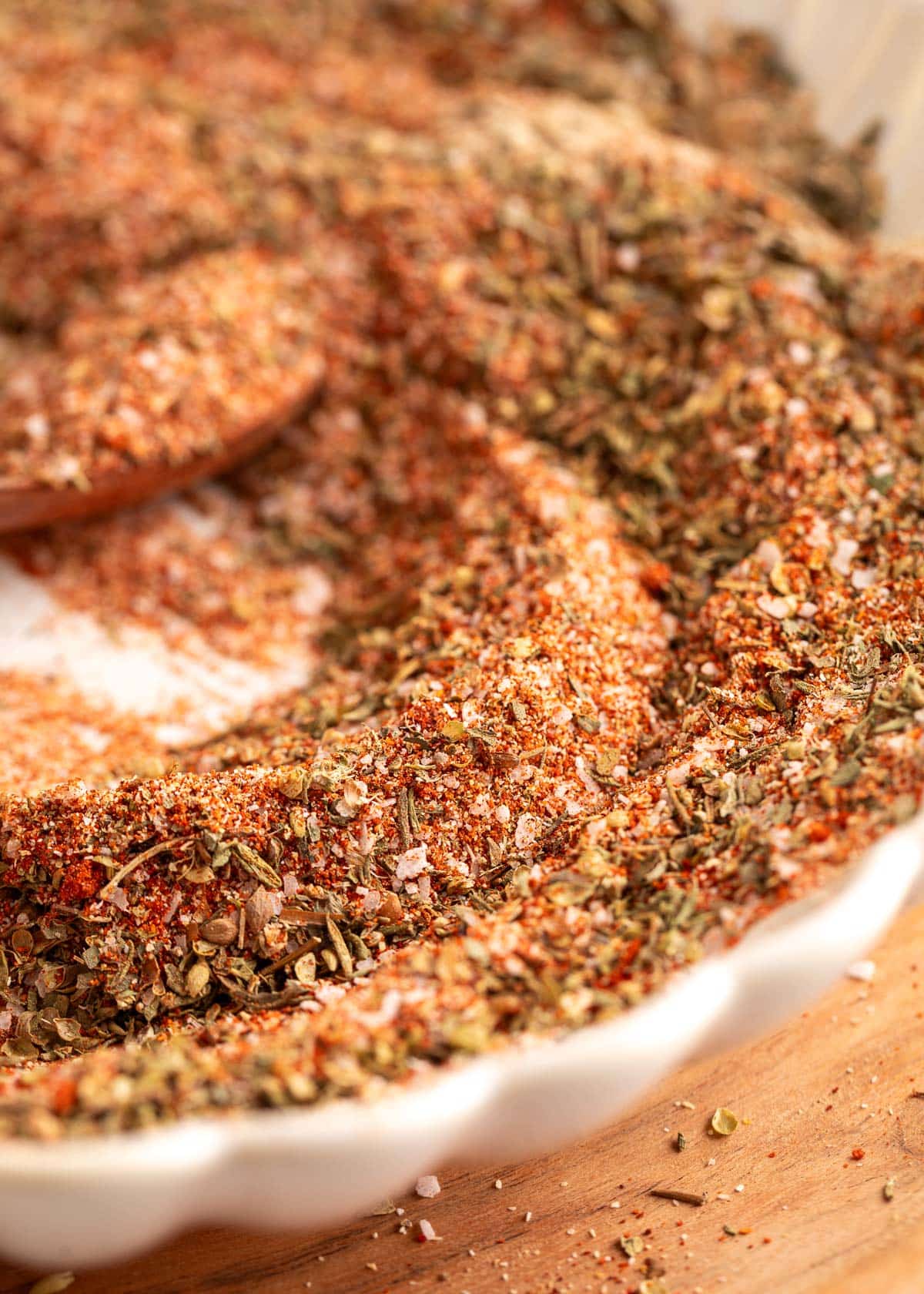
This seasoning is a true pantry workhorse. Once you have a jar mixed up, you’ll find yourself reaching for it often. Here are a few favorite ways to use it:
- Season chicken, pork, or seafood (either directly or by adding the seasoning to your flour or breadcrumbs). For a spicier twist, you can even use it in place of Old Bay in my Air Fryer Shrimp. This blend works especially well in the air fryer since it doesn’t contain sugars that can scorch.
- Stir it into rice, dirty rice, jambalaya, or soups for instant depth and warmth. Try it in my hearty Jambalaya Soup!
- Toss with potatoes or vegetables before roasting. It’s particularly good with cauliflower, green beans, and potatoes. You can swap it in for the seasoning in my Air Fryer Potato Wedges for a spicier batch.
- Stir into mayonnaise with a squeeze of lemon juice for an easy seafood or fry dipping sauce.
- Sprinkle over popcorn or deviled eggs for an easy, Louisiana-style kick.
Important: If you’re substituting this homemade Creole Seasoning for a recipe that calls for a store-bought blend (like Jalapeno Popper Pigs in a Blanket or Boudin Dip), you will likely need to add a bit more salt to the dish. Adjust to taste.
More Homemade Seasoning Blends
- Everything Bagel Seasoning
- Homemade Fajita Seasoning (on our outdoor cooking sister site)
Homemade Creole Seasoning
Ingredients
- 2½ tablespoons sweet paprika (18 grams, see Note 1)
- 2 tablespoons Diamond Crystal kosher salt (18.6 grams, see Note 2)
- 3¾ teaspoons granulated garlic powder (1 tablespoon plus ¾ teaspoon, 13 grams)
- 1 tablespoons granulated onion powder (10 grams)
- 1 tablespoons dried oregano (3 grams, see Note 3)
- 1 tablespoons dried thyme (3 grams)
- ½ tablespoon dried basil (1½ teaspoons, 1.5 grams)
- ½ tablespoon freshly-ground black pepper , medium grind (1½ teaspoons, 3.8 grams)
- ½ tablespoon ground white pepper (1½ teaspoons, 4 grams, see Note 4)
- ¼ to 1 tablespoon ground cayenne pepper (¾ to 3 teaspoons, 1.9 to 7.6 grams, see Note 5)
Instructions
- Add all of the spices and dried herbs to a medium bowl. As you add the oregano, thyme, and basil, gently crush them between your palms to break them up slightly and release their oils.
- Stir until evenly combined.
- Transfer the seasoning to an airtight spice jar or container. I use a 4-ounce glass spice jar. Store in a cool, dark place for up to 3 months for the best flavor.
Notes
Nutrition Estimate
Nutrition information is automatically calculated, so should only be used as an approximation.
Please note that our recipes have been developed using the US Customary measurement system and have not been tested for high altitude/elevation cooking and baking.
You may also like:
Condiments & Sauces
Cilantro Jalapeño Dressing

Appetizers
Chunky Guacamole

Condiments & Sauces
Homemade Cranberry Sauce

Condiments & Sauces